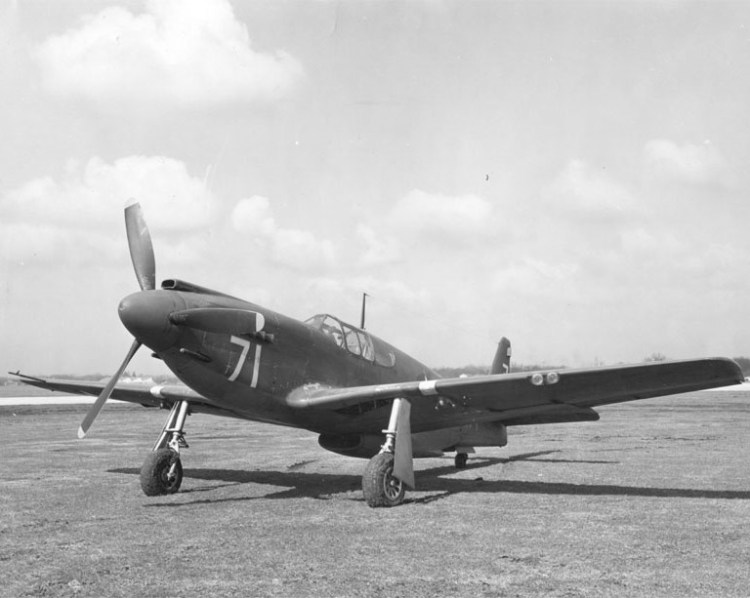
The Dive-Bombing Mustang
By WavesToJets
The A-36 Apache (sometimes A-36A Apache) was a World War II-era airplane of the United States’ Army Air Forces (USAAF).
In essence, the A-36 was a P-51 Mustang fitted with two dive brakes in each wing – but it was also designed to be an attack aircraft, rather than an air-to-air fighter. Specifically, it was a dive-bomber whose origins stem out of the development of the P-51 Mustang.
Technological Background
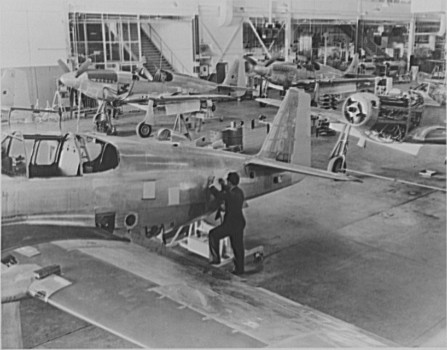
The A-36 was developed as a variant of North American Aviation’s (NAA) P-51 Mustang (based on North American’s NA-73X and NA-91 models, designated by the Army as a “P” [Pursuit] aircraft).
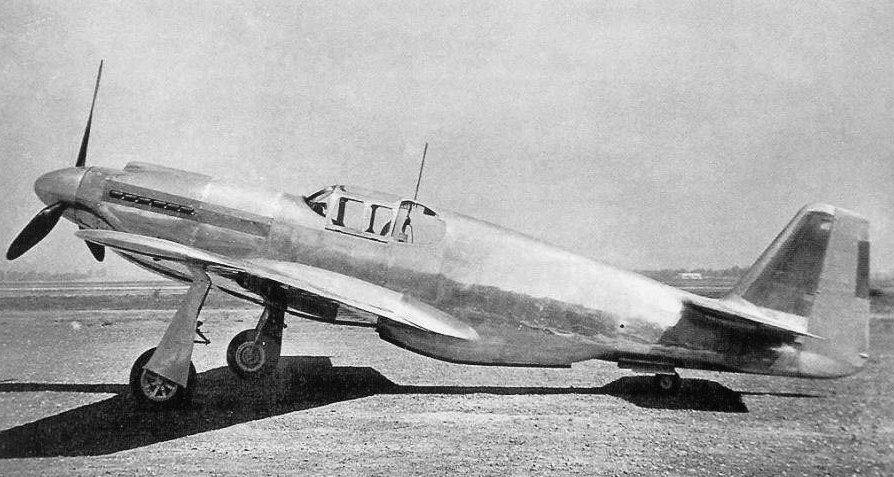
In 1942, United States Major General Oliver P. Echols and Fighter Project Officer Benjamin S. Kelsey saw the potential of the NAA’s new plane and wanted to continue ongoing production of the craft, exclusively for the USAAF’s use.
Major General Echols approached NAA’s president James H. “Dutch” Kindelberger with information that the USAAF’s budget allowed for the purchase of attack (“A”) airplanes.
Kindelberger relayed this information – and the idea that the next P-51 incarnation could be used as a dive-bomber – to USAAF Lt. General Henry H. “Hap” Arnold.
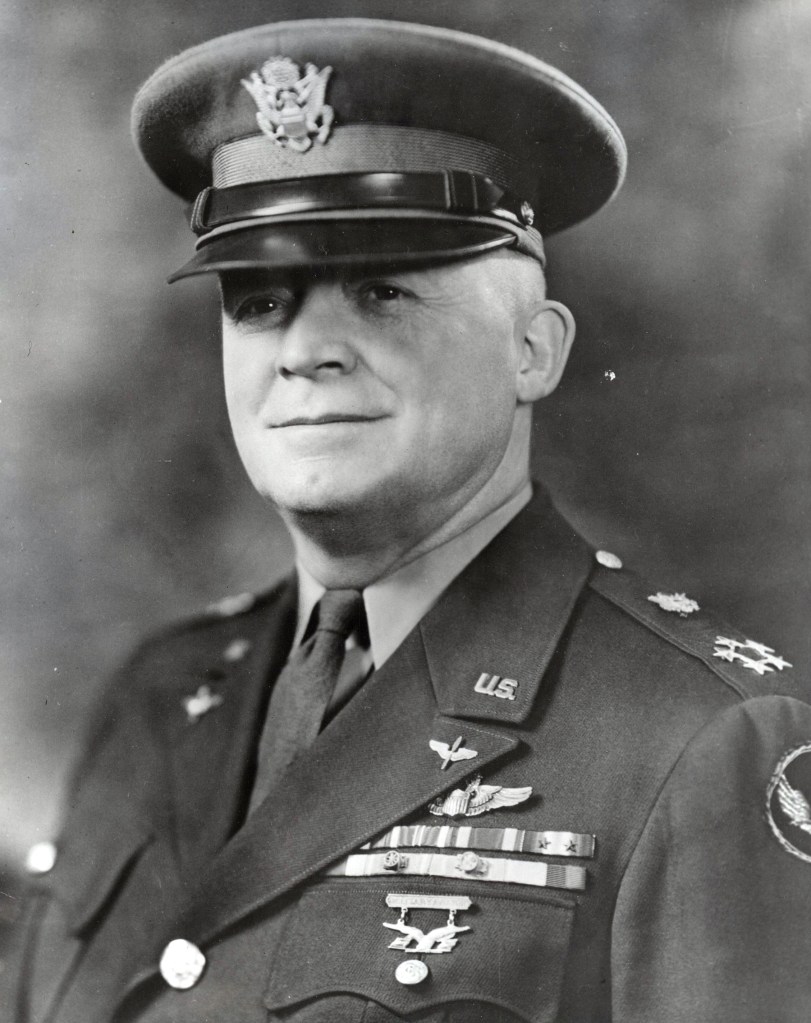
Kindelberger approached Arnold knowing that the latter had vouched for the Army’s use of dive-bombers before.
Previously, this resulted in the manufacture of Douglas Aircraft Company’s A-24 Banshee for the Army.
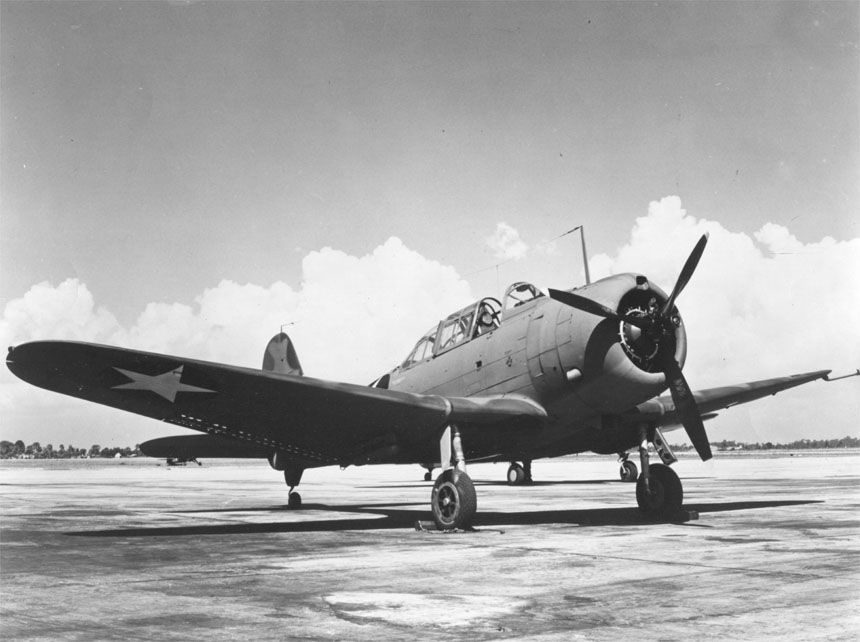
Although the USAAF deemed these types of aircraft too dangerous to use, Kindelberger eventually convinced Arnold of the viability of the Mustang as a dive-bomber.
He proposed adding dive flaps and six .50-inch machine guns to the new plane (four guns in the wings and two in the chin) making a type of Mustang that was ready as a ground-attack aircraft.
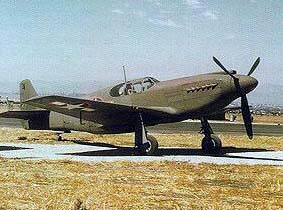
On April 16, 1942 the USAAF ordered 500 A-36 Apaches (their North American Aviation number was NA-97) for ground attack use.
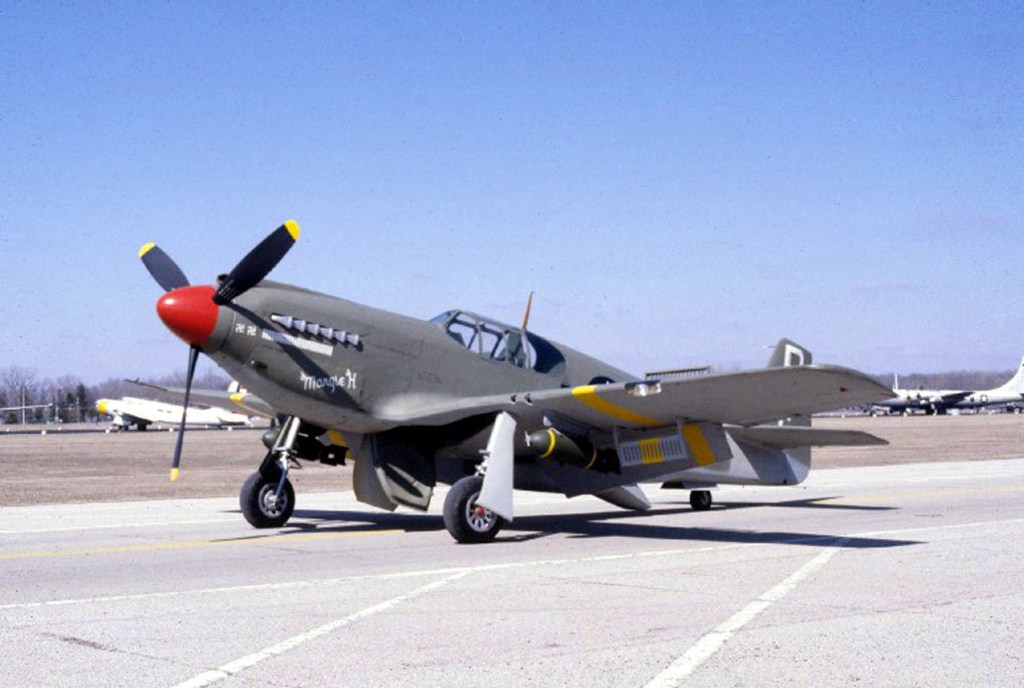
These planes differed from their predecessors in that they had the new six-machine gun configuration, an Allison V-1710-87 engine (instead of the P-51’s Allison V-1710-39) and four hydraulic-powered dive brakes in the wings (two on each wing, one on the top, one on the bottom).
The Apache had a length of 32 feet, .3125 inches, a wingspan of 37.03 feet, and an unloaded weight of 7,240 pounds.
Its maximum weight capacity was 10,000 pounds. Pylons were added to the each wing that were each capable of carrying 500-lb bombs or external fuel tanks.
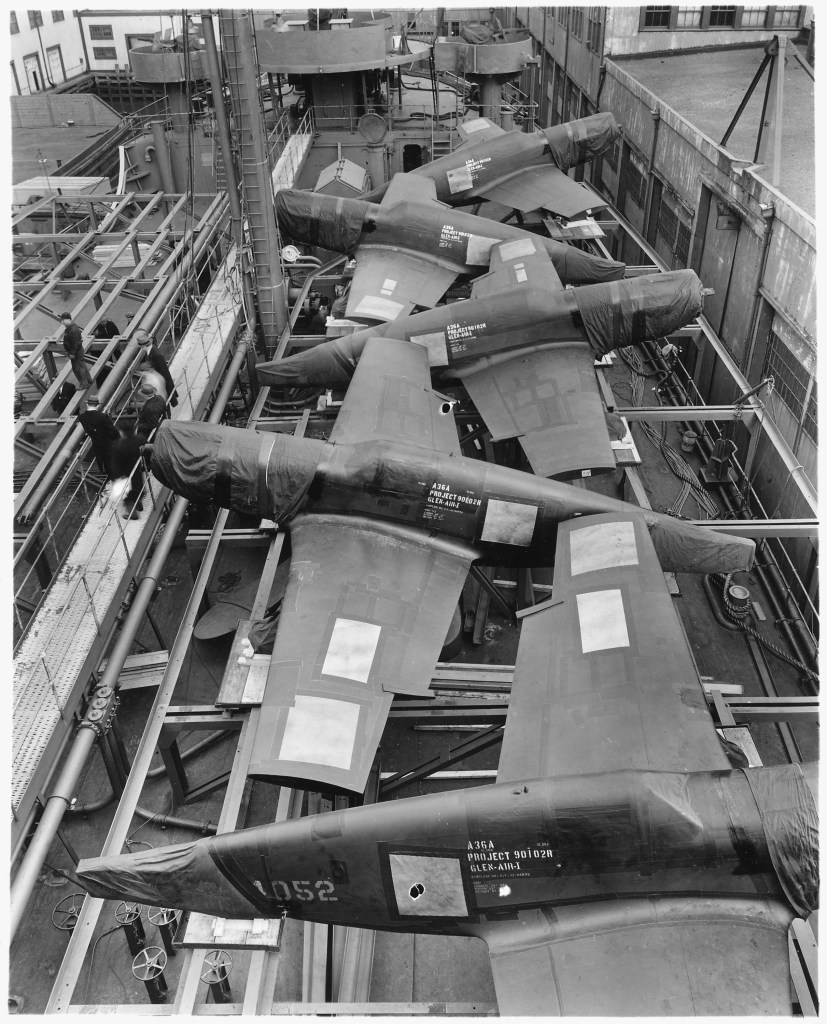
The A-36’s propellers consisted of three blades with a diameter of 10 feet, 9 inches. There was a long carburetor intake on top of the engine and a widened ventral intake on the underside of the body.
Performance-wise, the A-36 had a cruising speed of 250 miles per hour and a maximum speed of 356 miles per hour. It had a range of 550 miles and a ceiling of 25,100 feet.
The A-36 could also dive at speeds over 400 miles an hour; the dive brakes could slow its speed to around 350 to 390 miles per hour.
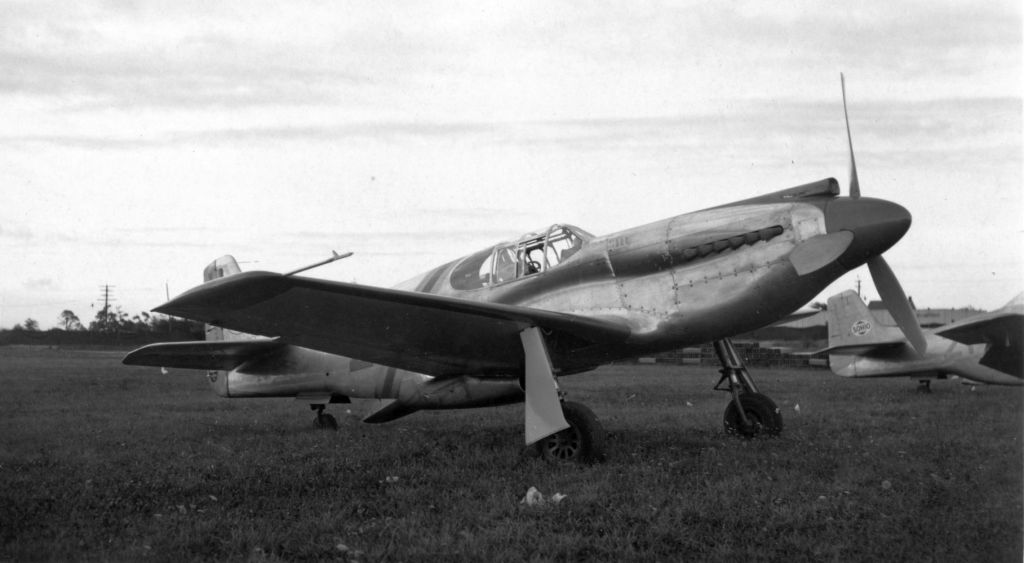
With the P-51 Mustang’s characteristic three-wheeled undercarriage and a bladed (or poled) aerial mast, the A-36 Apache was ready for action.
In Service

The A-36 was used by the 27th and 86th Fighter-Bomber Groups in the 1943 invasions of Sicily and Italy. It was also used in the China-Burma-India (CBI) theater by the 311th Fighter-Bomber Group in ground attack missions on Japanese positions in Northern Burma.
In the Mediterranean, the 27th operated out of Korba Airfield in Tunisia. The unit would perform dive-bombing runs on coastal defense guns and other gun emplacements on the islands of Pantelleria, Lampedusa, and Sicily in the summer of 1943.
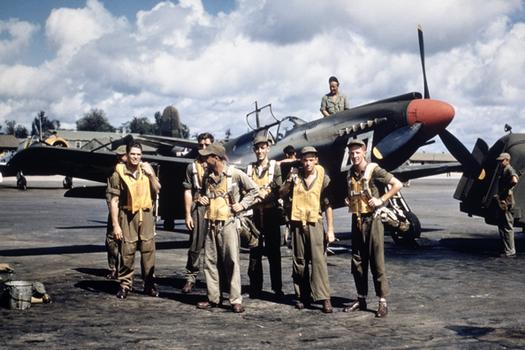
Similarly, the 86th Fighter-Bomber Group operated out of Korba Airfield, using the A-36 to participate in dive-bombing attacks on Sicily in 1943 and moving further into Italy (Naples, Salerno) in early 1944.
From mid-1944 on, the unit transitioned from the A-36 to the P-47 Thunderbolt fighter-bomber.
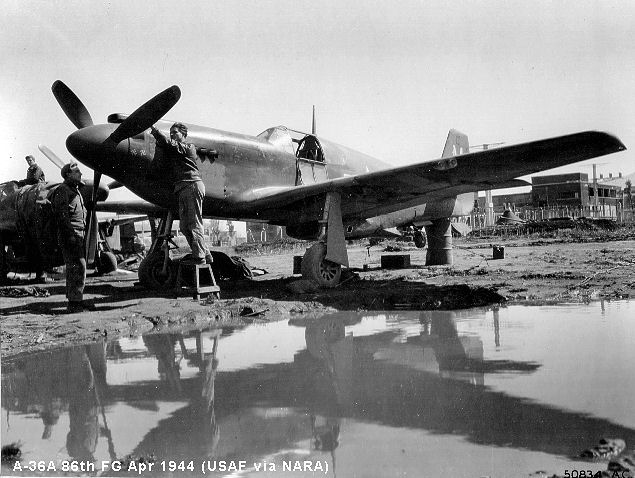
The 311th Fighter Squadron operated in the CBI theater. Because of a supposed flying accident, the dive brakes of some of the 311th‘s A-36s were wired shut.
This was also partially because the aircraft the unit used was varied – and planes like the A-36s were adjusted to fit roles a pilot of a P-40 or P-51A could handle.
The sub-squadron of the 311th equipped with the A-36 was the 528th Fighter-Bomber Squadron.
By October 1943, the 528th was operating out of Dinjan Airfield located in Sookerating, India, near the India-Burma (now Myanmar) border.
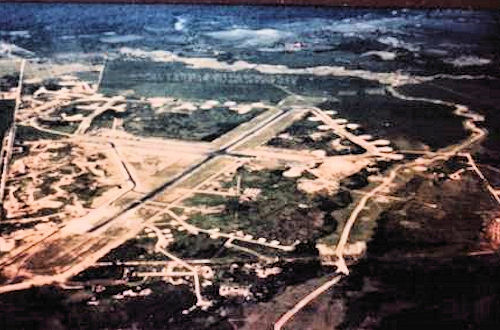
Missions of the 528th would often include strafing, bombing, reconnaissance, and patrolling enemy lines.
The A-36 Apache In Flight
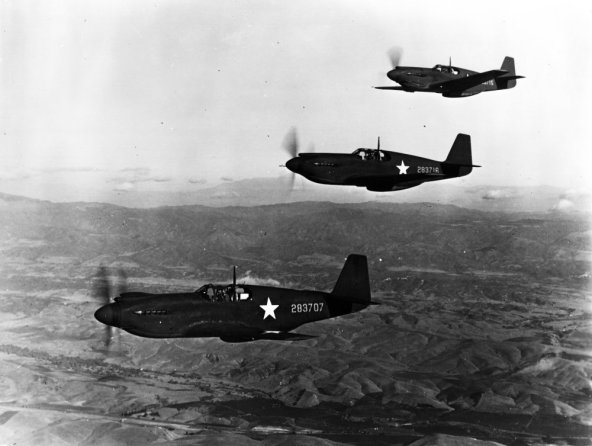
Originally designed as a fighter, the A-36 was a fast plane for its role as a dive-bomber and was prone to accidents both in testing and on the battlefield. However, pilots learned to adjust for the A-36’s speed and develop effective bombing techniques despite these shortcomings.
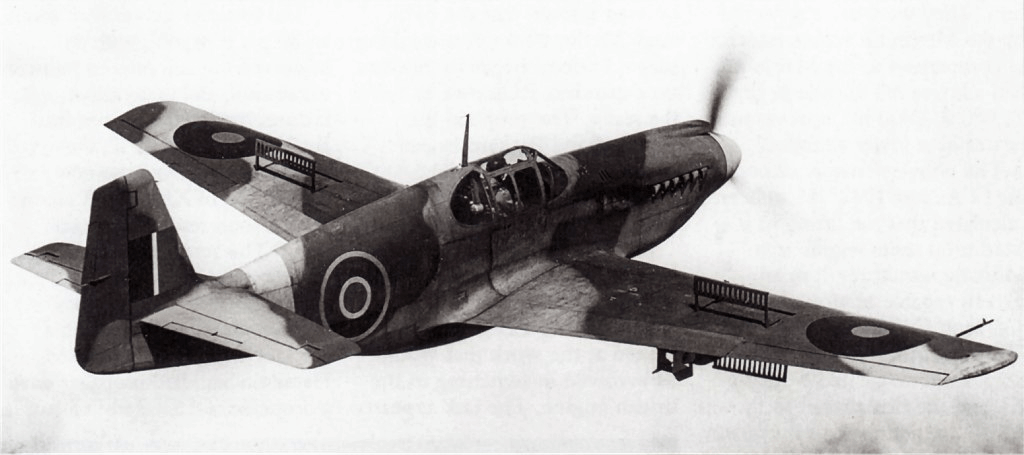
For example, pilots of the 27th Fighter-Bomber group learned to climb to an altitude of six to eight thousand feet when attacking light gun emplacements.
Typically, the unit leader of each formation would signal the others to open their dive brakes (sometimes by wiggling his plane’s wings).
Once opened, the planes would roll over to dive, one following another, dropping their bombs at about four thousand feet.
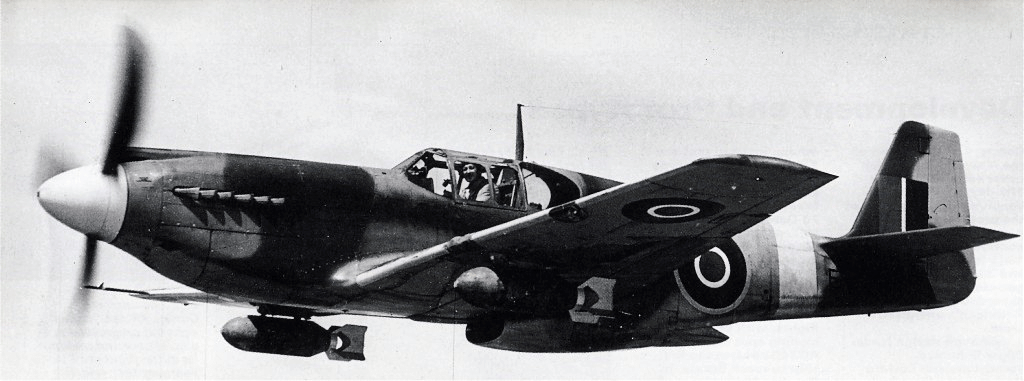
Once their bombs had been dropped, the A-36s would be primed to fly “on deck” – or very close (approaching tree-top level) to the ground. Since the planes had rolled at the start of the dive, they would already be heading back in the direction of friendly lines. They could strafe any enemy targets while diving, or on deck, on the way back to base.
In order to attack heavier guns and defenses, the A-36s would have to climb to twelve thousand feet and then start diving at ten thousand feet. They would pull up between four and five thousand feet.
To combat Axis aircraft in the Mediterranean – the A-36s would face Bf 109s and Ju52s there, for example – pilots would be escorted by American P-40s or Royal Air Force (RAF) Supermarine Spitfires.
In the CBI, the high-altitude jungle environments were often not ideal for the A-36. However, the 528th of the 311th Fighter Squadron ultimately delivered a total of over 85,000 pounds of bombs and almost 90,000 rounds of strafing machine gun fire to the enemy.
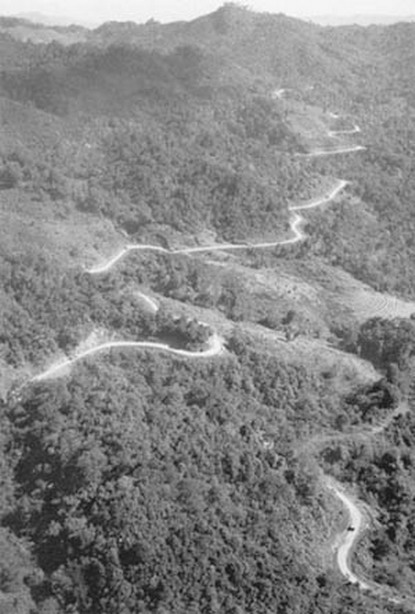
Focused predominantly on Burma’s Hukawng valley, the 528th were able to deliver bombs to enemy trenches, and also use depth-charge type bombs to clear the forest canopy.
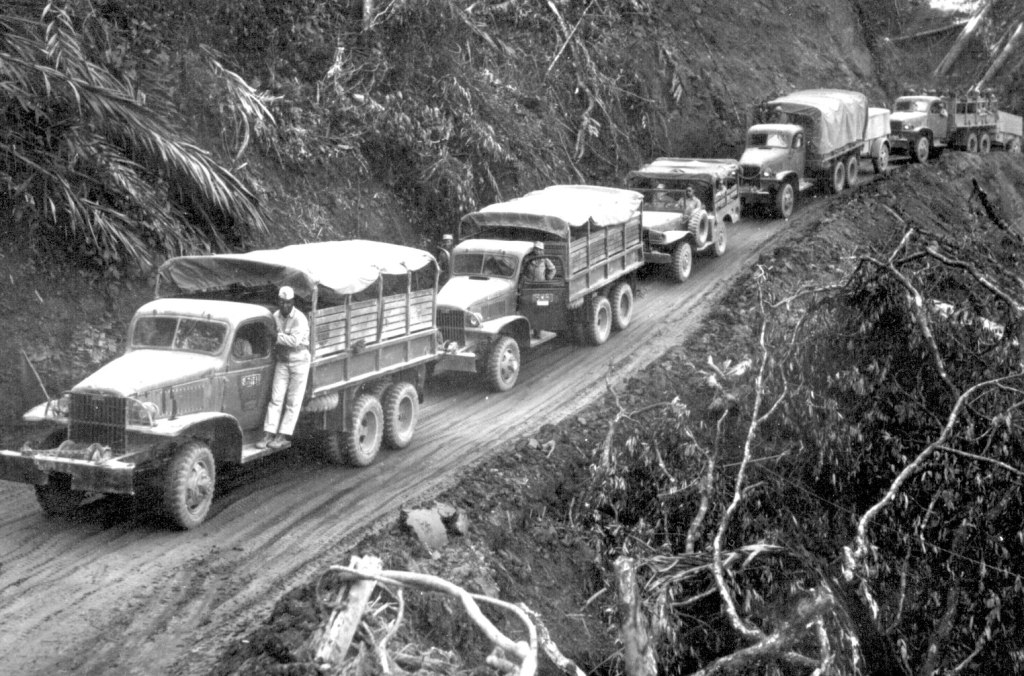
These missions allowed ground forces to make way for the construction of a new India-to-China supply route (the Ledo [later Stilwell] Road). This would not have been possible without the expert piloting of the 528th and the ground-attack features of the A-36 Apache.
Model Variations
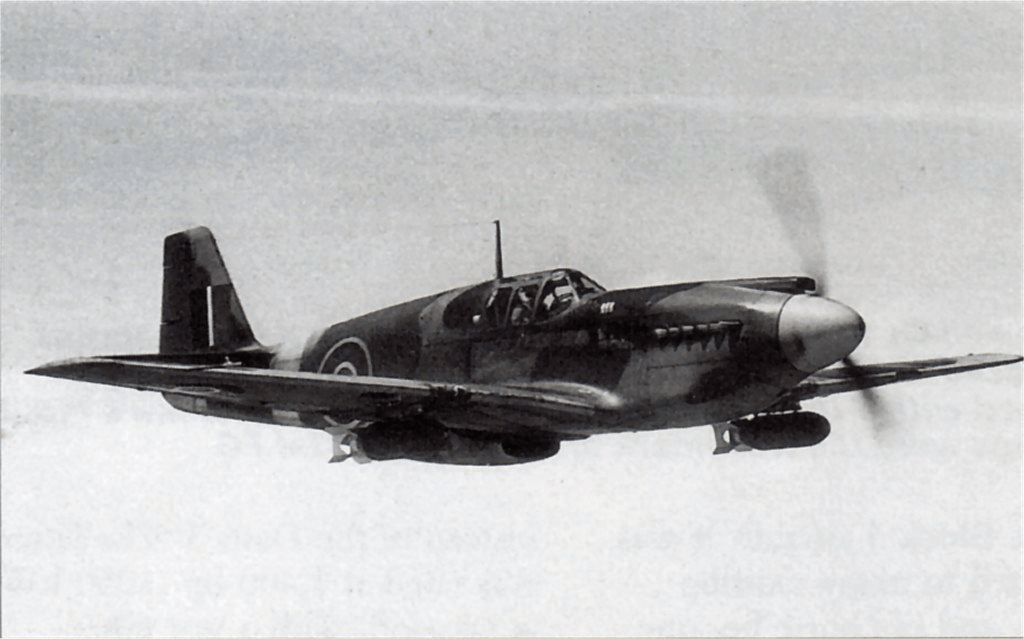
As the A-36 was a variant of the P-51 Mustang, it had no production variants of its own. The only exception was the one model given to the RAF, designated with the serial number EW998.
 Waves To Jets