A Double-Engine Fighter
By WavesToJets
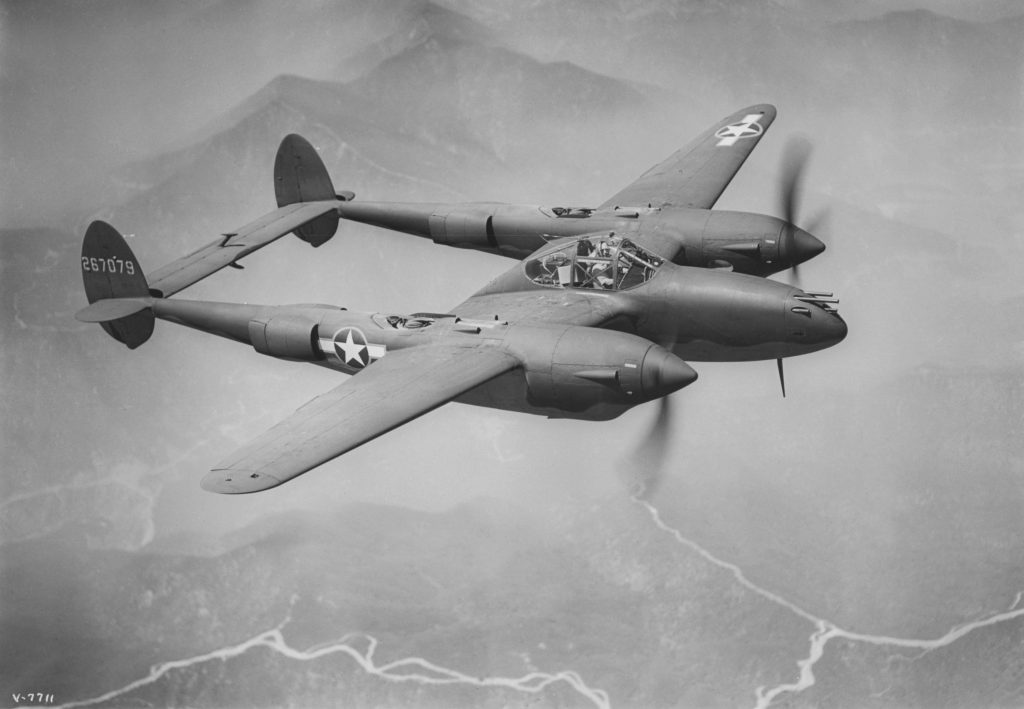
The Lockheed P-38 Lightning was a fighter plane that was prominent in Allied air forces worldwide during World War II, most notably by the United States. The United States Army Air Corps (USAAC) later known as the United States Army Air Forces (USAAF) used the P-38 in missions in the Mediterranean, Western Europe, and the Pacific theaters of operation.
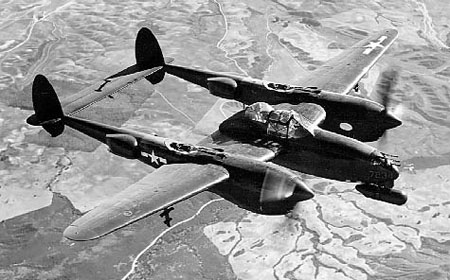
A long-range, high-altitude fighter, the P-38 was known primarily for its unique design, a single-winged craft with a central cockpit nacelle — flanked by twin boom nacelles containing propeller engines.
Supposedly, the P-38 Lightning was named “two planes, one pilot” by the Japanese and “the forked-tailed devil” (der Gableschwanz Teufl) by the Germans, though this was likely Allied propaganda. However, the P-38 did have an impressive service record nonetheless, and played a leading role in critical interception missions in Europe and especially the Pacific.
Technological Background
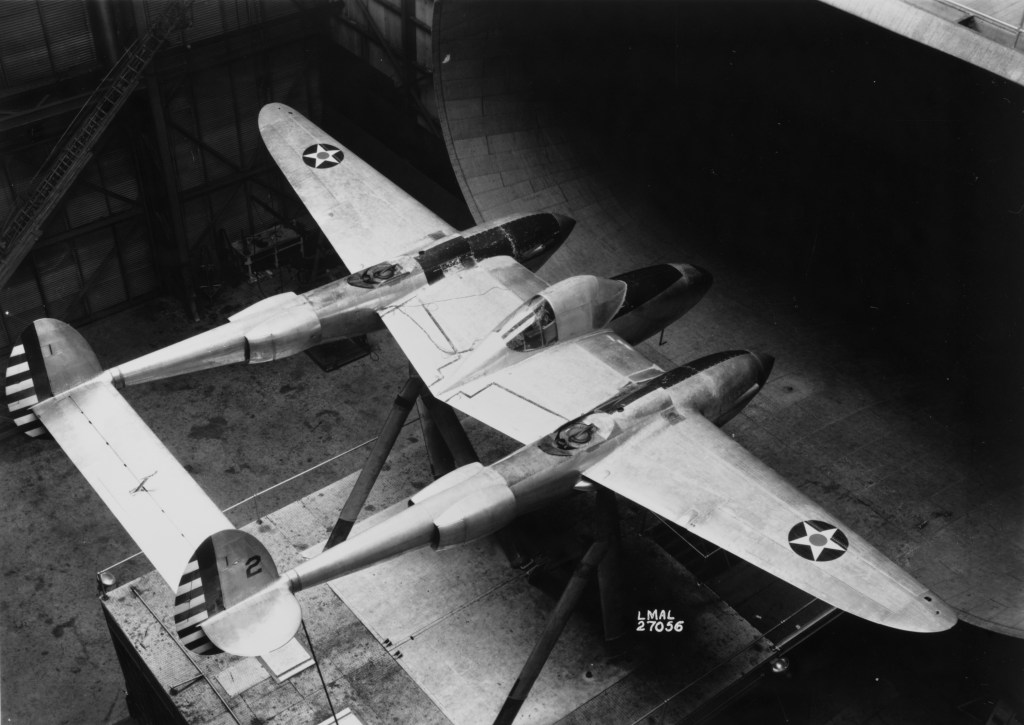
The P-38 Lightning was borne out of the Army Air Corps’ need of a high-altitude interceptor with twin engines. This was the USAAC’s Proposal X-608, which was first drafted by First Lieutenants and pilots Benjamin S. Kelsey and Gordon P. Saville.
Lockheed’s response, designed by engineers Hall Hibbard and Clarence “Kelly” Johnson, was a twin-boomed propeller-driven craft that had two turbo super-charger engines located on either side of a central cockpit nacelle. The engines and the central nacelle would be located along the plane of a single wing.
This 1937 design would be powered by two twelve-cylinder Allison V-1710 engines. It was capable of flying over 400 miles per hour, a first of any military aircraft of the era.
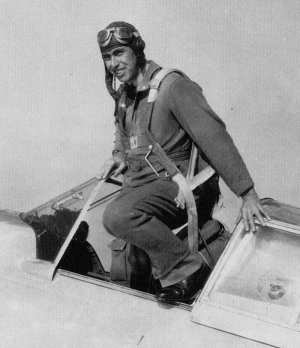
The XP-38 (“X” standing for “experimental”, and “P” standing for “pursuit”) was first flown by Benjamin Kelsey on January 27th, 1939.
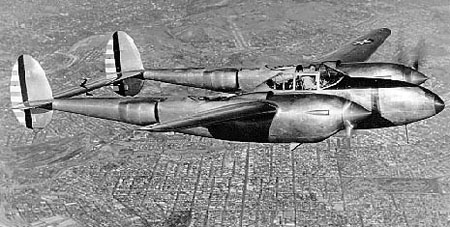
Kelsey also flew the craft on a California-to-New York trip starting from March Air Field in Riverside County, California on February 11th,1939. He had an elapsed time of 7 hours, 45 minutes and 36 seconds, and an actual in-air time of 7 hours, 36 seconds (he had made stops in Ohio and Texas).
Crash-landing in a tree on a golf course in Mitchel Field, Long Island, Kelsey had missed the transcontinental air record (set by Howard Hughes in 1937) by only 16 minutes and 35 seconds.

The relative success of the cross-country trip spurned the USAAC to order 13 YP-38s (“Y” was the USAAC’s designation for “prototype”), though the production of actual P-38s ready for service was delayed for two years.
Problems with compressibility and buffeting (control stalling upon high-speed dives and aircraft shakiness) had to be resolved.
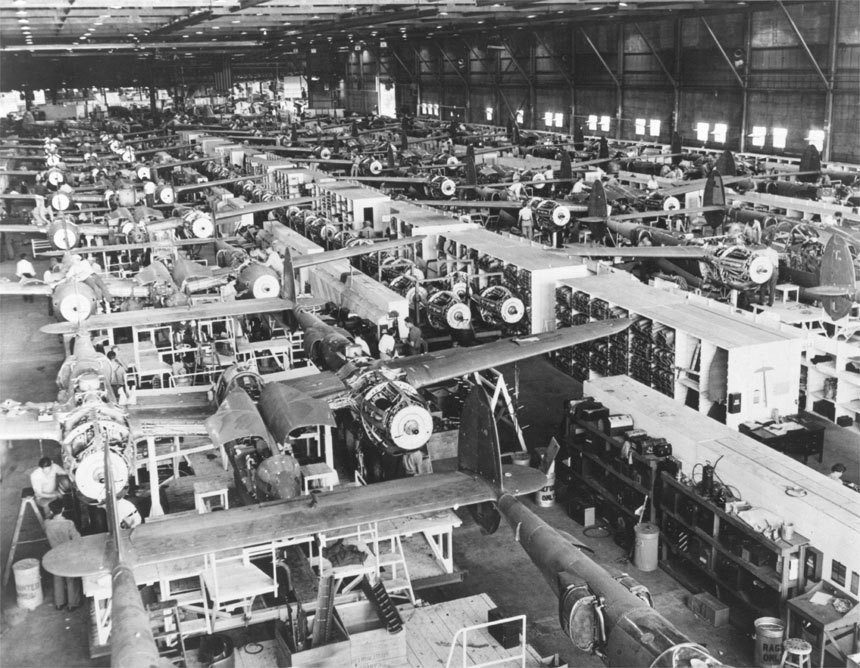
Eventually, P-38s with pressurized cabins, four 0.5 inch M2 Browning machine guns, and one 20-millimeter Hispano cannon would be built.
These planes would also be fitted with wing pylons for bombs and drop tanks, and could reach speeds of 414 miles per hour at 25,000 feet in late-model versions. Normal cruise speeds were lower, however, at 275 miles per hour.
In Service
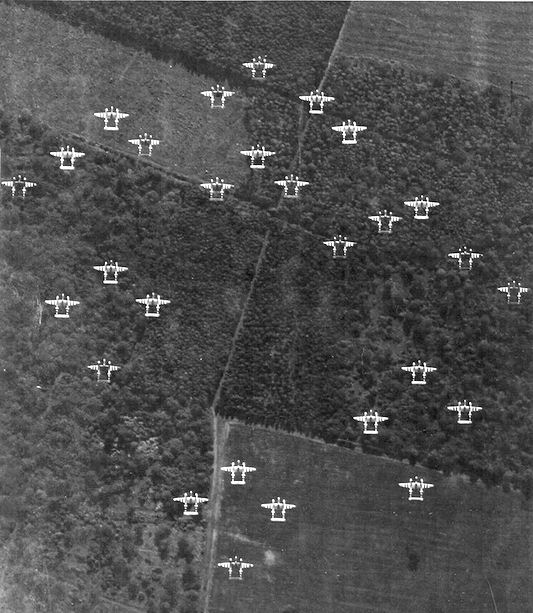
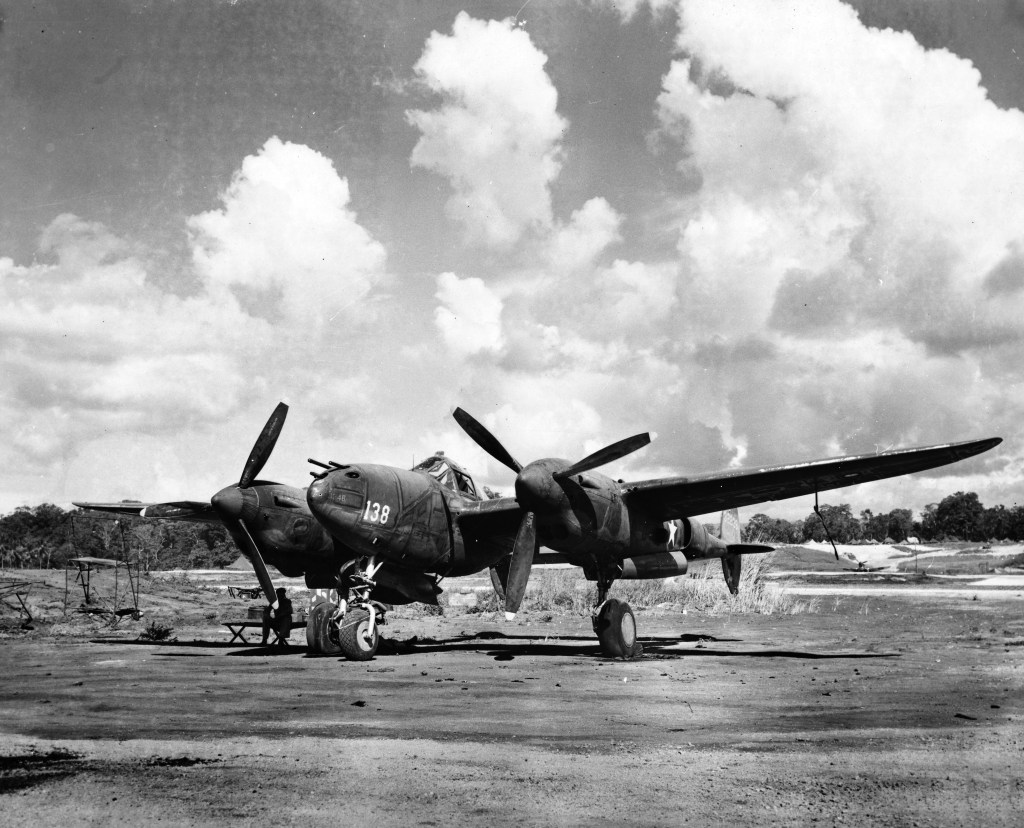
The P-38 was used primarily by the Allies (though the Axis did use some captured aircraft) in the Pacific, Mediterranean, and Western European theaters in World War II.
One of the first instances of the P-38 downing enemy craft was on August 9th, 1942 off the Aleutian Islands in Alaska. Two P-38s shot down a pair of Japanese Kawanishi H6K flying boats – marking the first confirmed P-38 air kills against the Japanese.
In Europe, a couple of P-38s of the 33rd and 27th Fighter Squadrons shot down a German Focke-Wulf Fw 200 Condor transport plane off the coast of Iceland on August 14th, 1942. The transport plane landed in the ocean, its seven passengers survived and were captured as POWs.
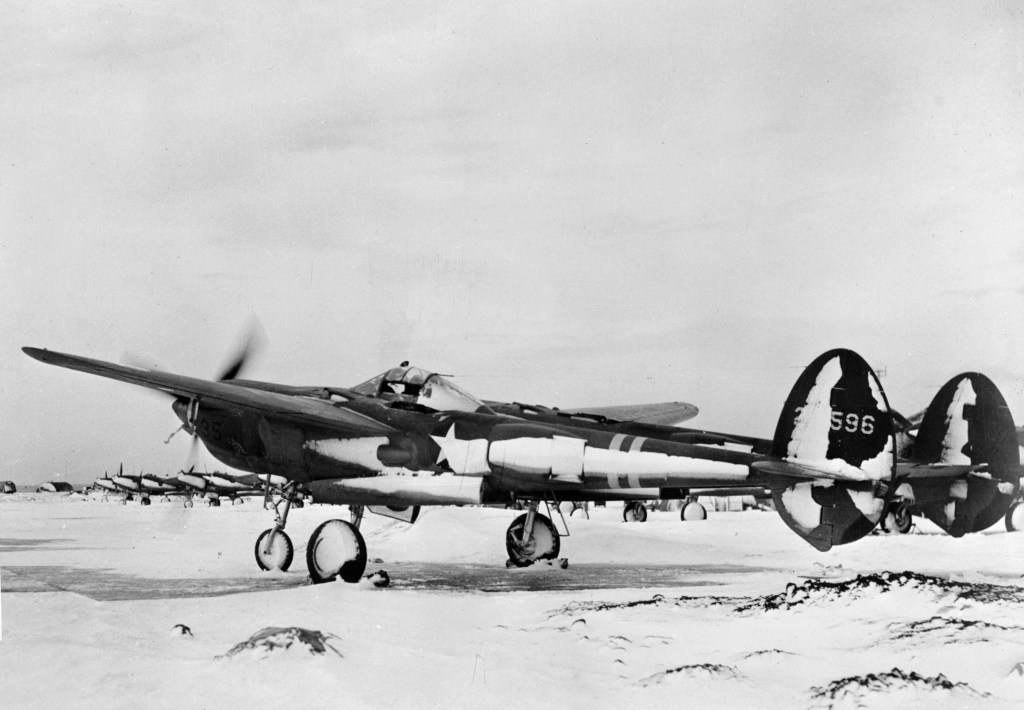
Later in the war, P-38s also contributed to the Allied invasion of France – escorting heavy bombers, strafing, and bombing targets of opportunity themselves.
On the morning of June 19th, 1944, for example, 95 P-38s of the U.S. Eighth Air Force escorted 201 heavy bombers to bomb V-missile targets in the coastal northern French district of Pas-de-Calais.
No fighters or bombers were lost in this particular mission; however, in the afternoon bombing run of the same area, 16 fighters and 7 bombers were lost.
The afternoon run did demonstrate the attack abilities of the Lightnings, though — as a group of escort P-38s strafed and bombed three barges and a single locomotive.
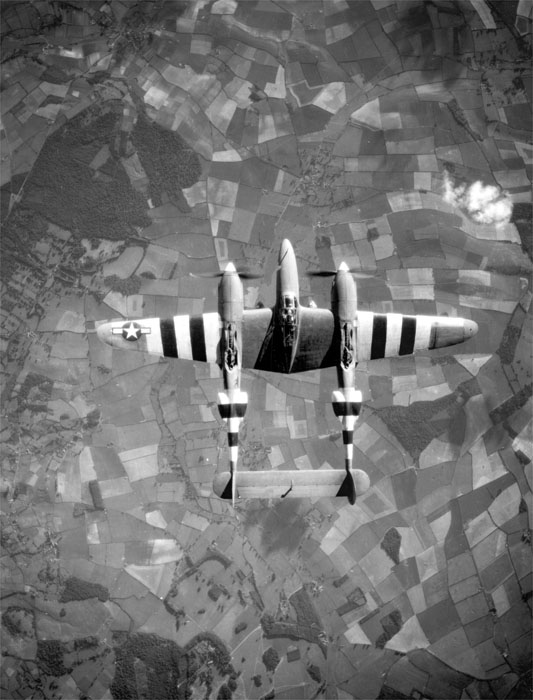
In North Africa, the 1st and 14th Fighter Groups used the P-38 on the Allies’ approach to Tunisia. Engaging in combat for ground attack and bomber escort roles, the fighter was often not at its ideal flight altitude and suffered heavy losses.
It was also outnumbered by German Fw 190s and Bf 109s – which were often piloted by experienced Germans. Though this was the case, as the Germans started to lose the ground war, the P-38 could be used to attack transport planes successfully.
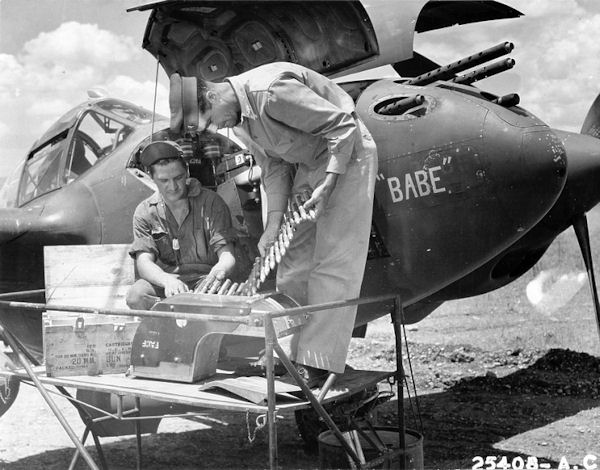
In the Mediterranean, the P-38 was used by the 1st, 14th and 82nd Fighter Groups. It contributed to bombing runs on the islands of Pantelleria and Sicily – and eventually the Allied invasion of Italy.
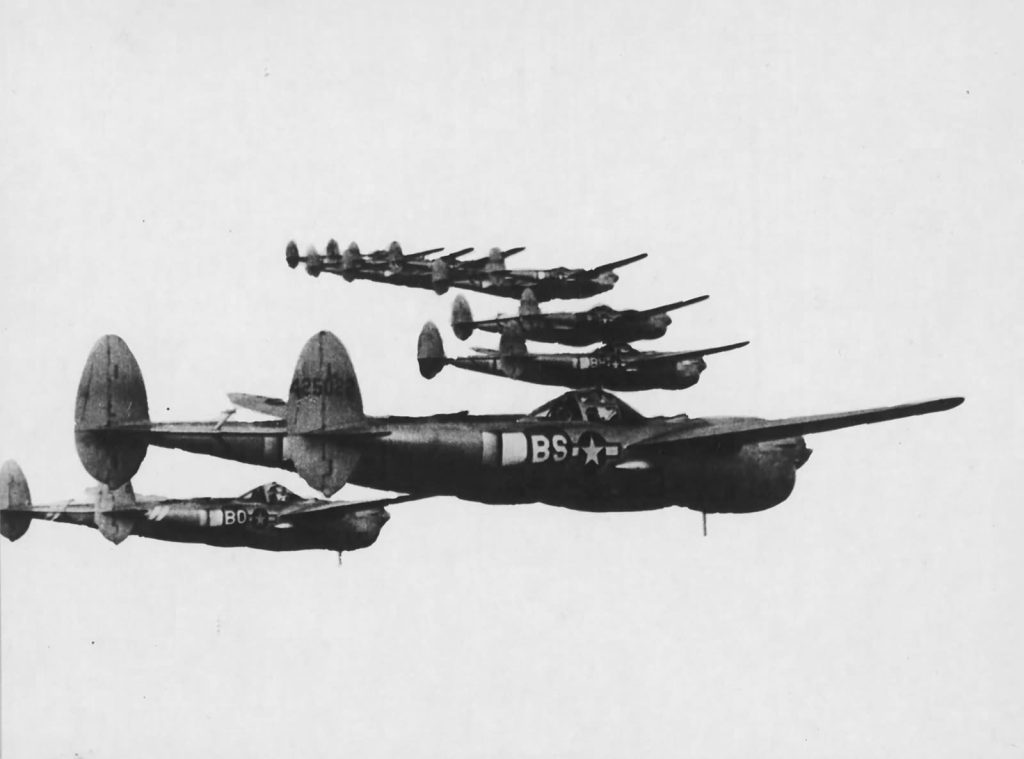
The P-38 was most successful in the Pacific, where its long-range abilities were ideal for distance reconnaissance, bomber escorting duties, and air-to-air engagement.

The P-38 played a key role in the killing of Japanese Admiral Isoroku Yamamoto on April 18th, 1943. It also produced several fighter pilot aces, with the top ten ranging from 15 to 40 confirmed kills.

After the war, the P-38 was used by the armed forces of Honduras, the Dominican Republic, and Italy.
The P-38 Lightning In Flight

The P-38 would act as an escort in bombing missions over Europe at altitudes over 20,000 feet. Though the plane was designed to handle higher altitudes (upwards of 40,000 feet), it could not accommodate pilots due to heating and power difficulties.
However, it was suitable as an escort fighter, partially because of its relatively high-altitude capabilities and dive speed – aided by the addition of dive flaps in later variations.
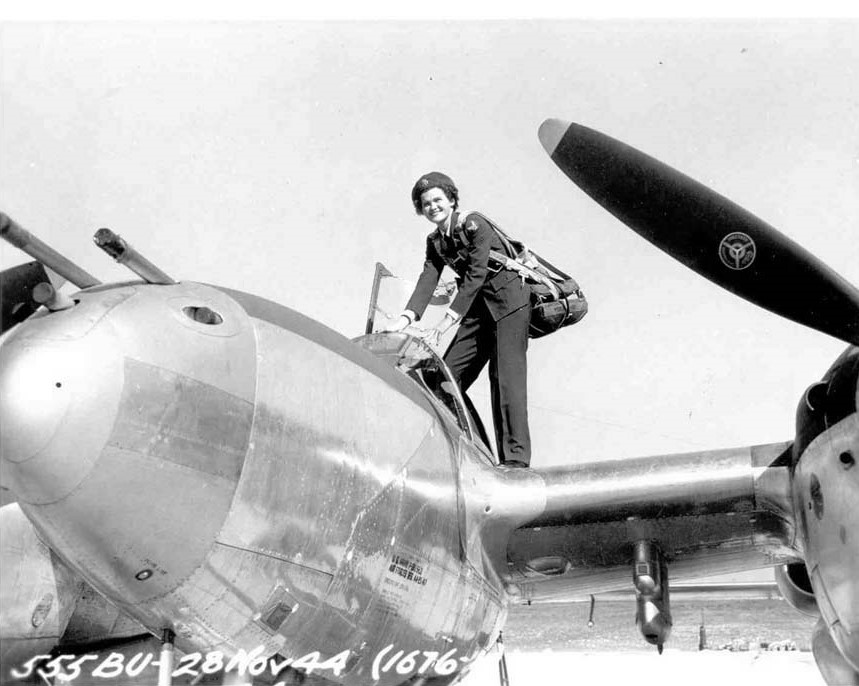
The P-38 Lightning also served well in strafing and dive-bombing missions, and its long-range capabilities made it an especially effective reconnaissance and fighting craft in the Pacific.
One of the P-38’s most well-known missions – the April 18th, 1943 attack on Admiral Isoroku Yamamoto’s Mitsubishi G4M medium bomber – was in fact performed by P-38s originally flying at very low altitudes (10 – 50 feet) to avoid radar detection.
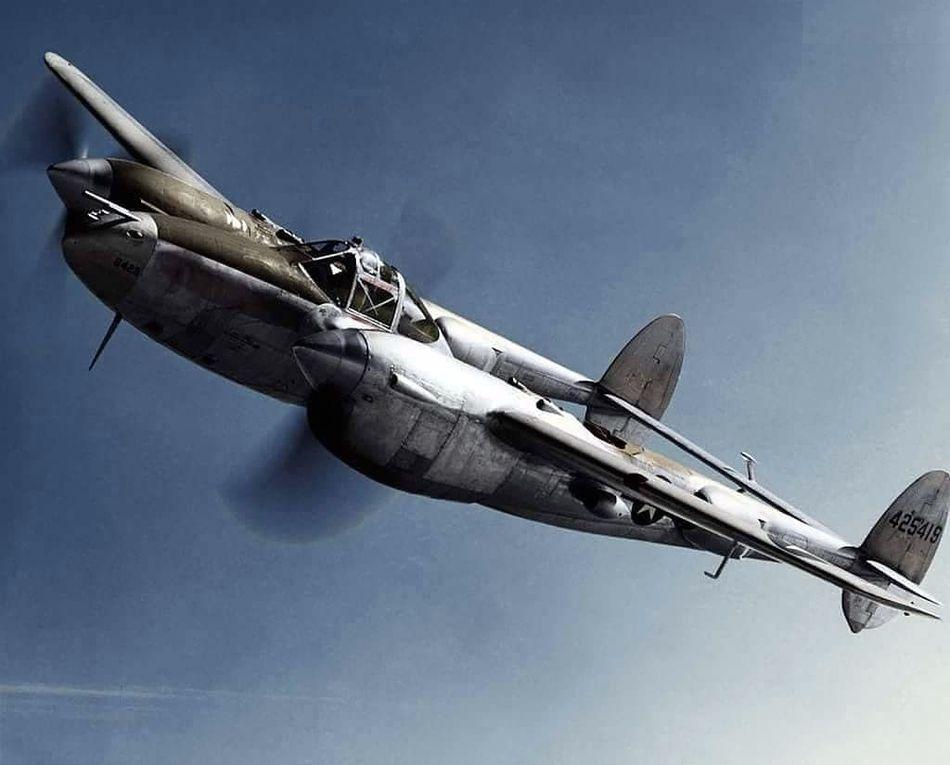
By the time the American planes reached Yamamoto’s air convoy flying at 6,500 feet over Bougainville Island, the Americans had already pulled up to about 2,000 feet. They then pulled up even more and split up to attack both the G4M and its escorting Mitsubishi Zero fighters.
The G4M pilots attempted to dive to fly at a very low altitude, but the lead Lightning pilots already got the better of them and shot both down, one into the jungle of Bougainville Island in a fatal crash – this was Yamamoto’s – and one into the sea.
Model Variations
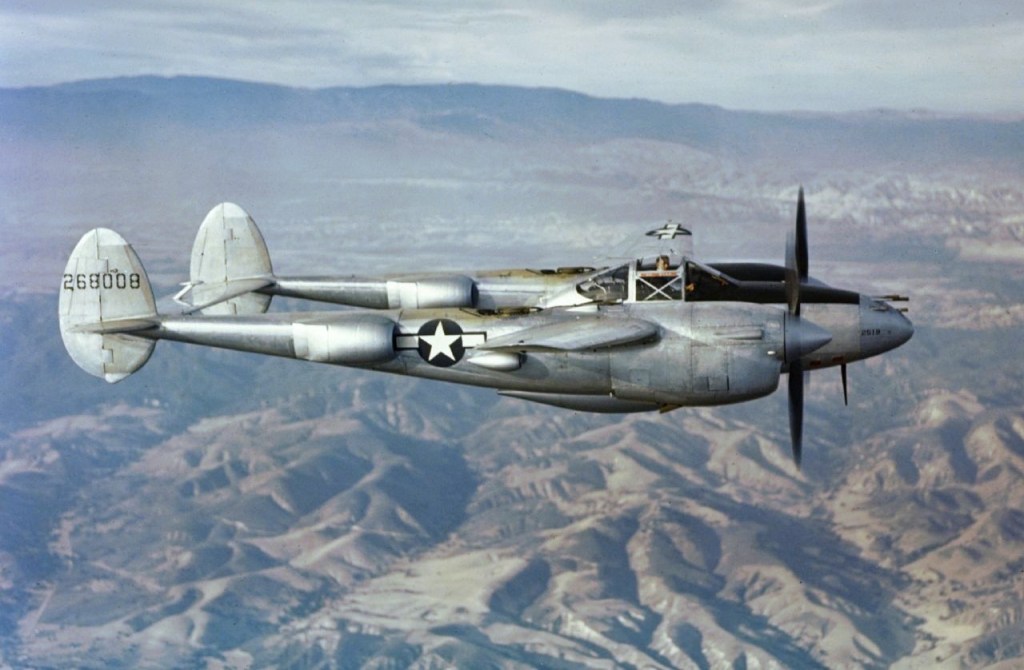
The P-38 had several variants including the:
XP-38 – Lockheed’s prototype plane, first flown in January 1939 and crashed in February 1939 cross-country trip.
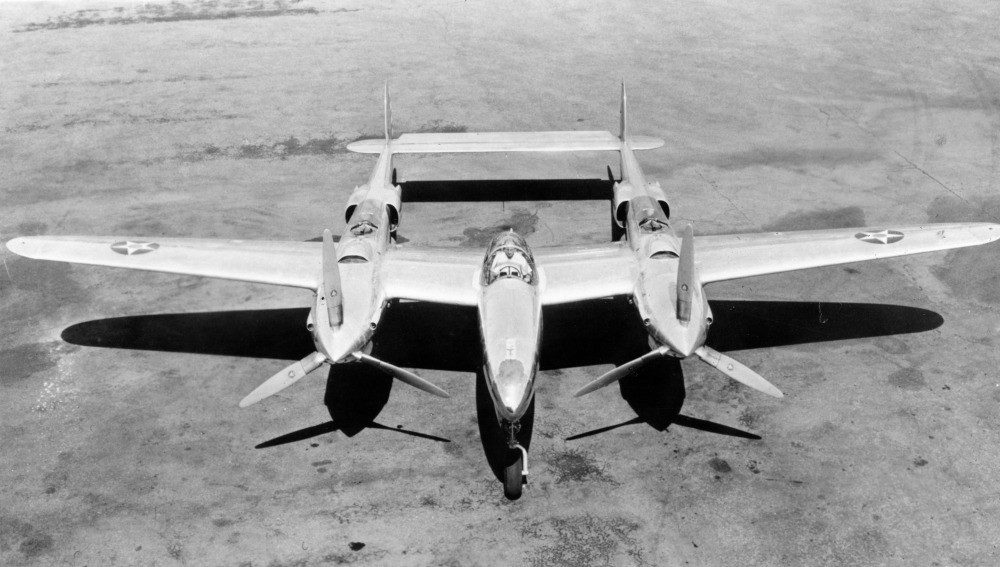
YP-38 – An armed, pre-production test plane ordered by the Army from Lockheed in 1939.
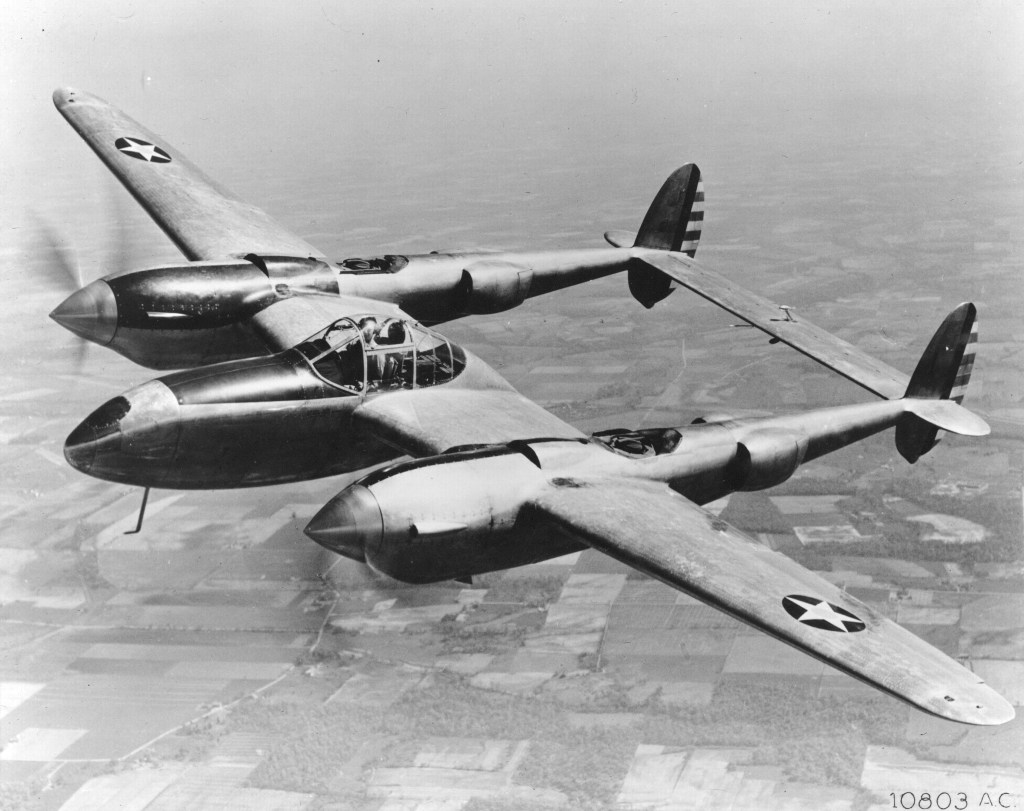
P-38 – A version with bulletproof glass, armor plating, four .50-inch machine guns and a 37-millimeter cannon.
P-38A, B, C – The P-38A was an experimental version with a pressurized cockpit. The B and C versions were proposed experimental P-38As, but never produced.
P-38D – Featured landing lights, flares, self-sealing fuel-tanks, and pressurized cockpit. Like the original P-38 it was armed, but not exactly combat-ready.
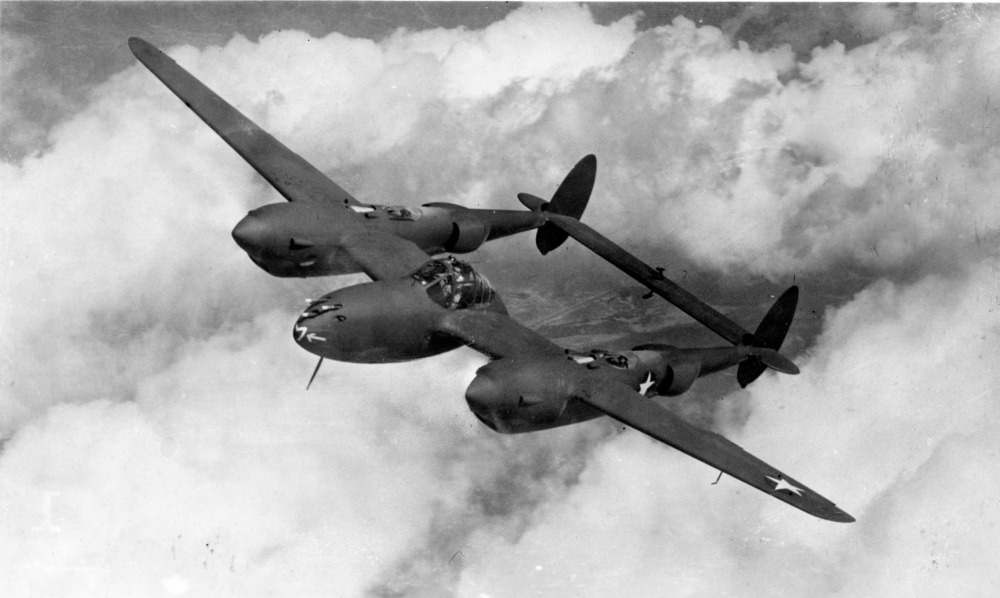
P-38E – Had a 20-millimeter cannon instead of a 37-millimeter and new hydraulic/electrical systems. Used mostly for testing.
P-38F – First combat-ready version with pylons for drop tanks and bombs. Maximum speed was 395 miles per hour at 25,000 feet. Used in Mediterranean and Pacific.
P-38G – Better radio equipment, essentially same as F version, used in Mediterranean and Pacific.
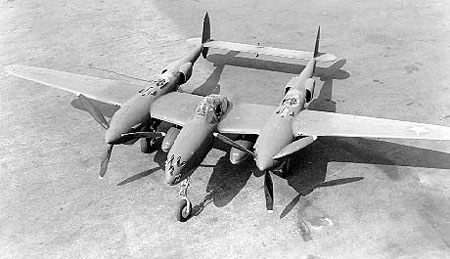
P-38H – Like the P-38 G.
P-38J – Version with chin radiators under the propeller engine nacelles. Power ailerons, 1425 hp engines. The second most-produced version.
P-38K – Only one built 1425 hp engine.
P-38L – Powerful late-production variant with 1600 hp engines. The variant with the most instances produced.
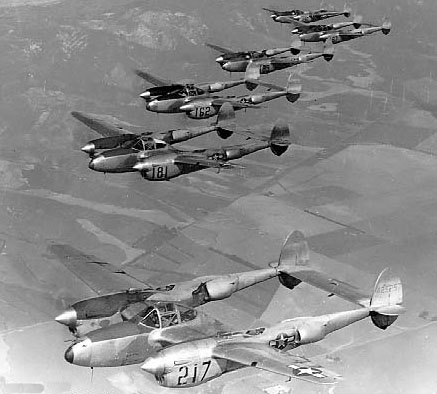

P-38M – A version adapted with radar to become a night-fighter.
 Waves To Jets