
A Medium Bomber and Night Fighter

By WavesToJets
The Douglas A-20 Havoc was a World War II-era medium bomber and attack aircraft. Also known as the DB-7 and A-20 Boston, the Havoc was used by French, British, Soviet, Australian, and American forces during the war (among others).
The airplane is characterized by its two large Pratt & Whitney (later Curtiss-Wright) radial engines, large tail fin, and tapered conical engine nacelles.
With maximum speeds of over 300 miles an hour, a service ceiling of over 25,000 feet, and the capacity to hold up to 2,000 pounds of bombs, the A-20 Havoc was put to use in the European, Mediterranean, and Pacific theaters of operation in low-level strafing and bombing missions.
Technological Background

The A-20 Havoc was developed out of the US Army Air Corps’ (USAAC) specifications for a bomber that would carry 1,200 pounds of bombs, had a range of 1,200 miles, and could travel over 200 miles per hour.
A 1936 design by Ed Heinemann, Jack Northrop, and Donald Douglas – called the Douglas Model 7A – incorporating two Pratt & Whitney R-895 Wasp Junior engines (at 450 horsepower each) would not fulfill these specifications, so a new design called the Model 7B was created.
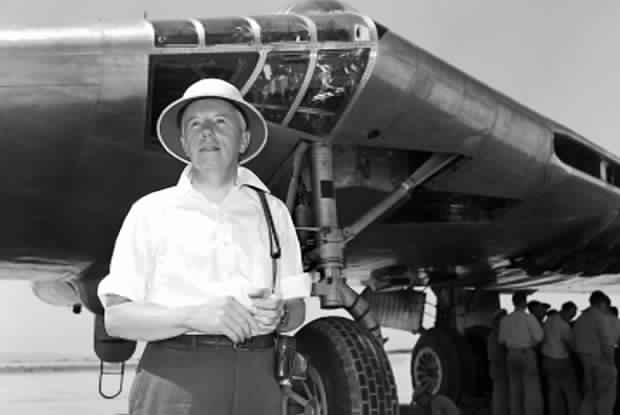
This model had two Pratt & Whitney R-1830C Twin Wasp engines (at 1,100 horsepower each), an enlarged bomb bay, room for three crew, a solid nose, and six .30 caliber and two .50 caliber machine guns.
The USAAC liked Douglas’ designs and requested that a prototype be made. On October 26th 1938, the Model 7B was flown for the first time, and soon afterward orders for production versions of the plane came in from the French, American, and British governments.
In France, the initial version ordered had two 1,000 hp Pratt & Whitney R-1830 engines. This was designated by Douglas as the DB-7. The French then ordered a version with two 1,600 hp Wright R-2600 A5B Twin Cyclone engines, which was designated by Douglas as the DB-7A.
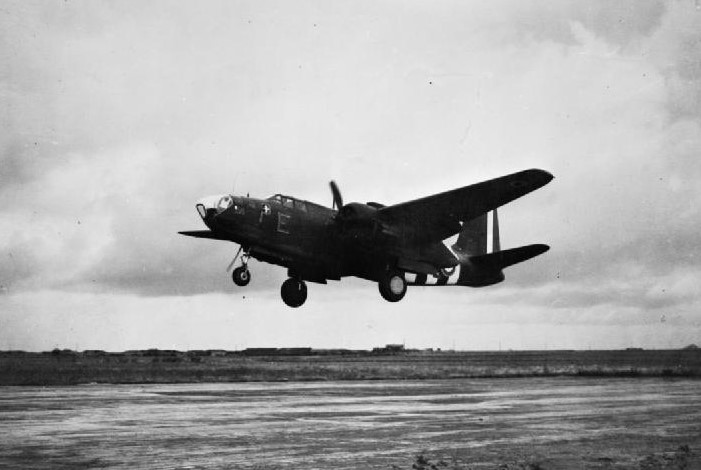
Though the DB-7 was delivered, none of the DB-7As reached France after the country was occupied in June 1940. Instead, they were shipped to England to be used by the Royal Air Force (RAF).
The British designated the DB-7 and DB-7A as the Boston Mk. I and II. Both of these plane types were refashioned with radar (and in the Boston Mk. I’s case, sometimes with new engines) and designated collectively as the Havoc I, a night fighter.
More advanced models (such as the Boston Mk. II) were designated the Havoc II – also re-purposed for night fighting. A small portion of these night fighters (Havocs I and II) were fitted with Turbinlite spotlights for “searchlight” attacks on approaching Axis bombers (the Havocs would work in tandem with the RAF’s Hawker Hurricanes).
The Douglas DB-7B was the version solely ordered by the RAF, separate from the RAF’s obtainment of the French DB-7s and DB-7As. This version had 1,600 hp engines (same as the DB-7A), greater fuel tanks, and stronger armor, and was referred to by the British as the Boston Mk. III.
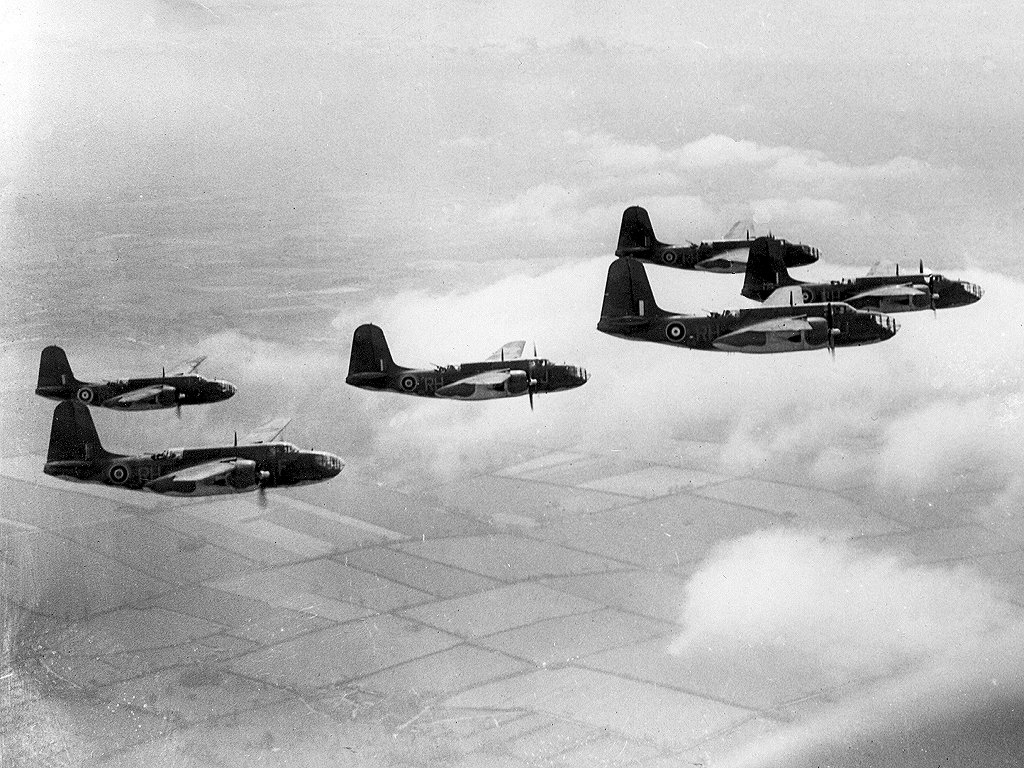
Later A-20 versions would be known to the RAF as the Boston Mk. IV and Mk. V, with improvements in visibility (glass cone noses) and engine power present.
American versions of the plane would start at the A-20 (nicknamed “Havoc”) designation and have lettered varieties through the A-20K version, with 1600 and 1700-horsepower engines common in the later models.
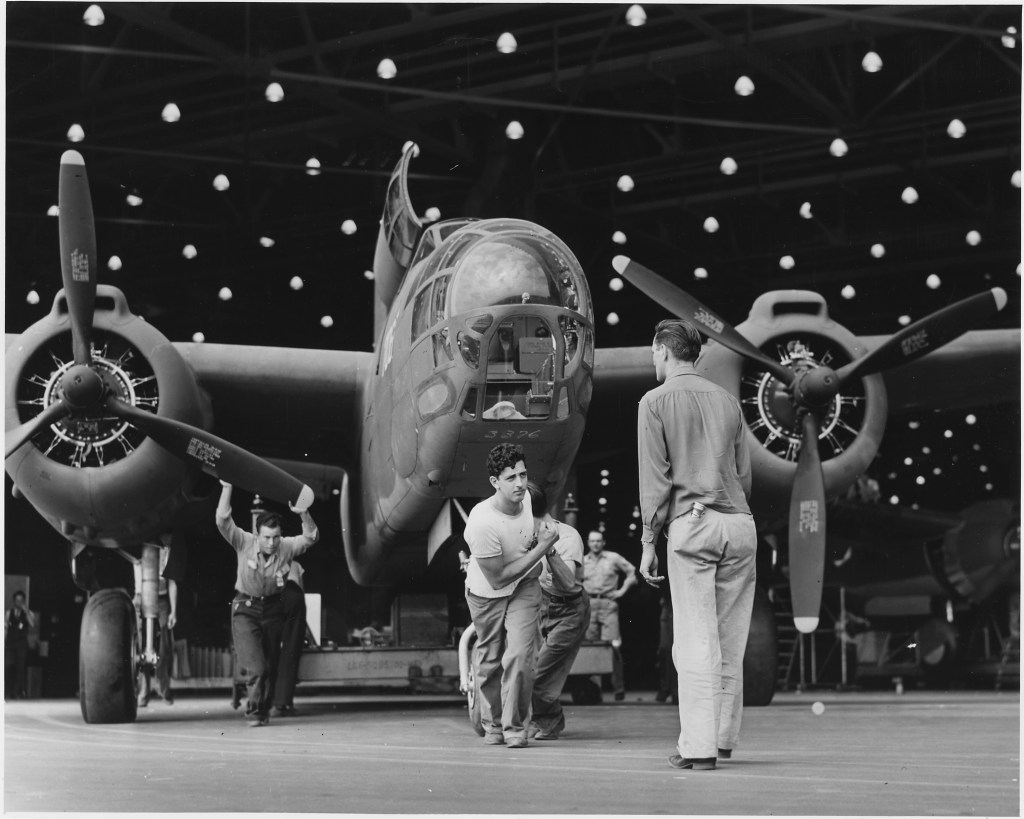
Improvements included better armor, glass noses, heavier guns, and larger bomb capacities. Night fighter and reconnaissance versions of the craft would be designated the P-70 and F-3A types, respectively.
In Service
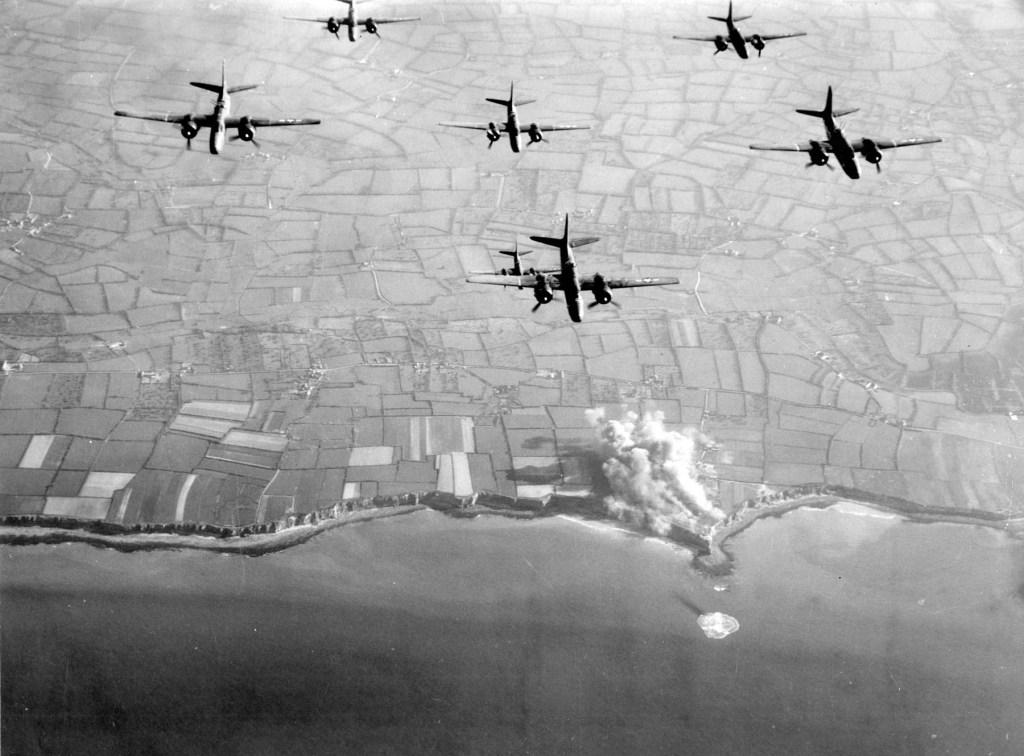
The French used their version of the plane against the Germans in the early part of the war; after the fall of France on June 25th, 1940 some of these planes were evacuated to North Africa; some were sold to the British.
The Vichy government used the North African planes for a short duration during Operation Torch (the Allied invasion of Africa) and the British would use their bombers against the Germans in North Africa as well.
The Soviets also used this plane type starting from 1942, making adjustments to the plane’s armament. The Dutch would also have this type delivered to the East Indies starting in 1942, but these planes (as most were captured by the Japanese) saw very limited use by them.
The Australians received the later British versions of the DB-7 “Boston” plane starting from September 1942 and used them in combat in the Battle of the Coral Sea. The Australian planes were later used mainly for transport and mail duty later in the war.

The Americans would use the A-20 Havoc extensively in North Africa, the Mediterranean, and the Pacific. In North Africa, units like the 47th Bomb Group, 84th Squadron used A-20s to attack German armored columns in the Battle of Kasserine Pass (February 1943).
The bomber was also used in the invasions of Sicily and Italy by the 47th Bomb Group’s 84th, 85th, 86th, and 97th Squadrons. The bomber took heavier casualties in Western Europe, though it did continue operations there until the end of 1944.
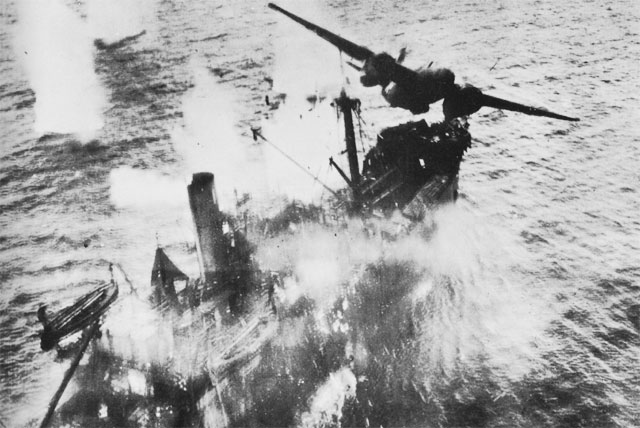
In the Pacific, the A-20 was used by the Americans starting from August 1942. The bomber played an important role in the New Guinea Campaign. The Fifth Air Force’s A-20s destroyed Japanese airfields with parachute bombs, as well as sank Japanese shipping convoys during the Battle of the Bismarck Sea in early March 1943.
The A-20 Havoc In Flight
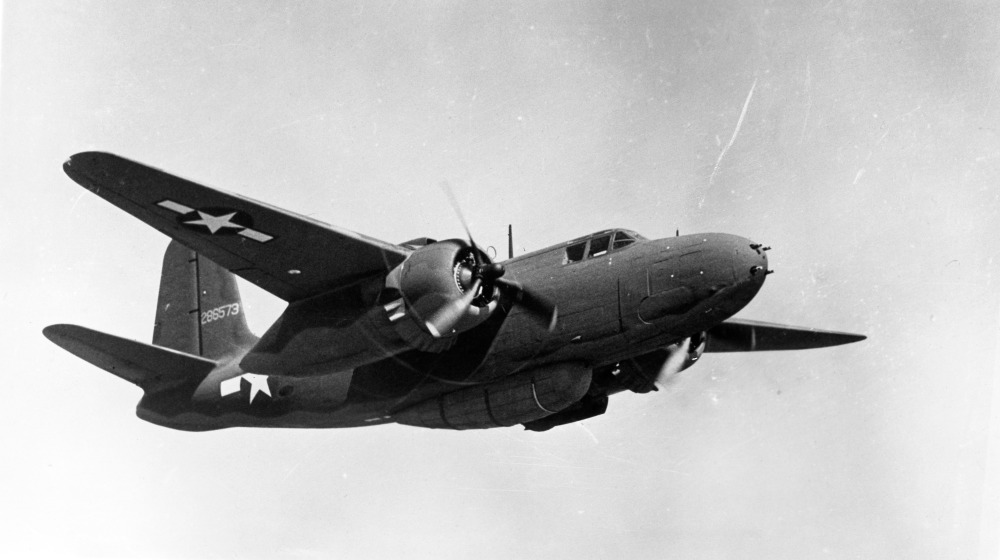
Late models of the A-20 could reach altitudes of over 20,000 feet, though many of the A-20’s missions, especially in the CBI and Pacific theaters, were the low-level bombing and strafing of airfields, troop columns, and shipping lanes.
As with the B-25 Mitchell, the A-20 Havoc could launch bomb-skipping and mast-level attacks against ships, and this was done to great effect in the Pacific, especially during the Battle of the Bismarck Sea.
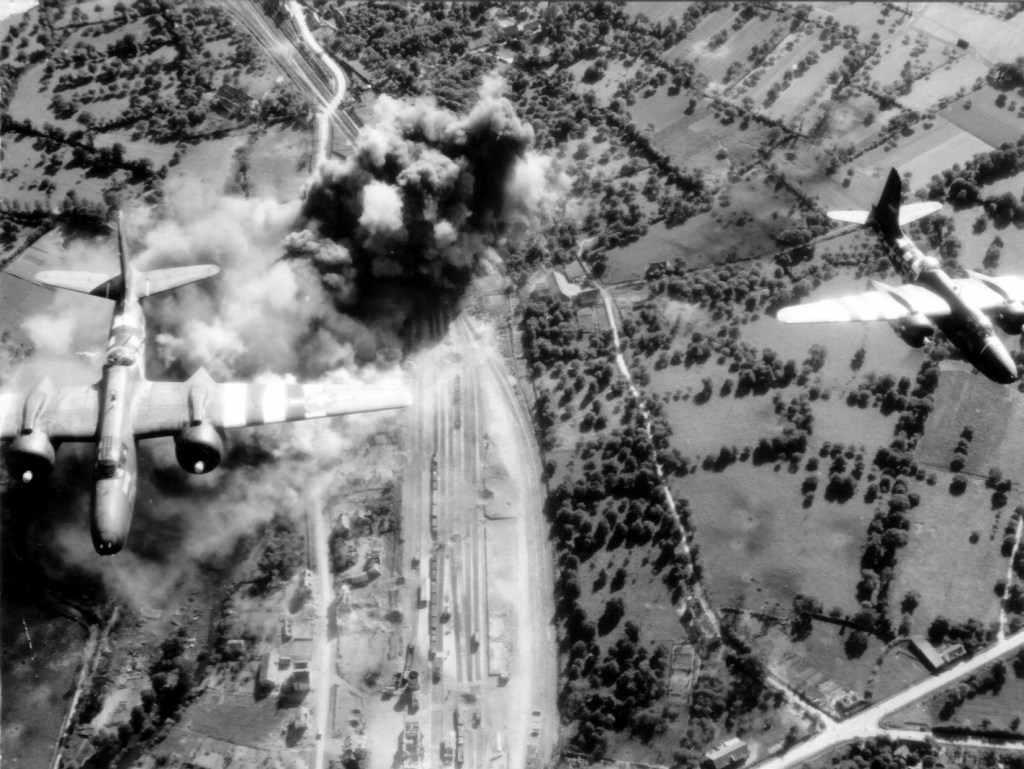
On D-Day (June 6th 1944) A-20s of the Ninth Air Force bombed railroads, bridges, and coastal defense batteries. The A-20 would be used in higher-altitude bombing attacks on oil depots, refineries, bridges, and communications centers throughout Europe.
Model Variations

The A-20 Havoc had several variants, including the:
Model 7B – Douglas’ prototype version of the craft
DB-7 – When France first ordered the production model, it came with 1,000 hp Pratt & Whitney R-1830 engines.
DB-7A – The more advanced French order of the production model with 1,600 hp engines.
Boston Mk. I – The British name for the DB-7; some were obtained after the fall of France.
Boston Mk. II – The British obtained France’s order of the DB-7A; it was designated the Boston Mk. II.
Boston Mk. III – Also known as the DB-7B; this was the British’s main order of the production plane. It was equipped with heavier armor and higher-capacity tanks for fuel.
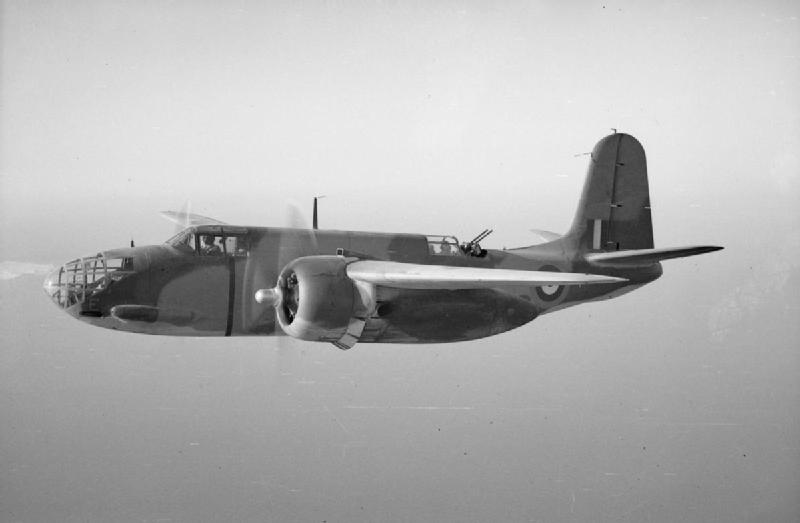
Havoc I – Boston Mk. Is and Mk. IIs equipped with radar (and newer engines, for some).
Havoc II – Boston Mk. IIs fitted with radar and in some cases, Turbinlite searchlights.
A-20 Havoc – The first American version ordered, intended for high-altitude bombing.
A-20A – An American version with two Pratt & Whitney R-2600-3 (later R-2600-11) engines. Originally intended for mid-range and lower-level attacks.

A-20B – American version with light armor; most of the just under 1,000 built went to the Soviet Union.
A-20C – American version with Pratt & Whitney RF-2600-23 engines, improved armor, and the capacity to carry a torpedo.
A-20G – Earlier types (the A-20D) were proposed but not built; the A-20G featured two 1,600 horsepower Pratt & Whitney R-2600-23 engines, a solid nose (most earlier variants had see-through glass), a wider frame, and heavier machine guns.
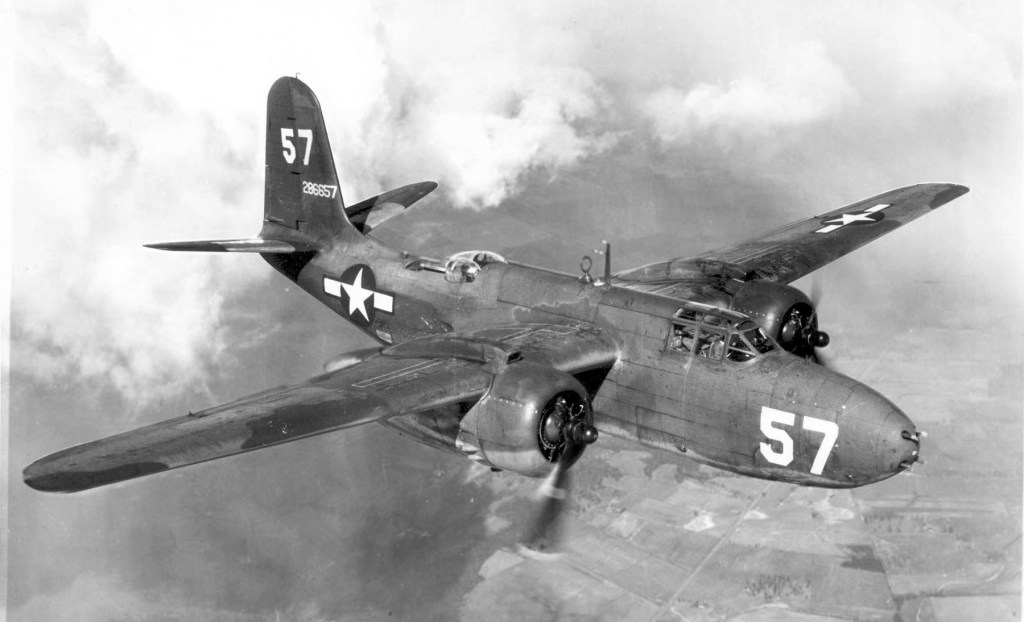
A-20H – Almost the same as the A20G but with a 1,700 hp engine and an larger bomb capacity.
A-20J – Version that could accommodate one more bombardier (with glass nose section). Also known as the Boston Mk. IV (RAF).
A-20K – Version of the A20-J with higher-powered R-2600-29 engines.
P-70 – Version built for long-range and night fighting/reconnaissance, equipped with radar and antennae.

F-3A – Version built for photo reconnaissance, used over Europe.
 Waves To Jets